Unofficial Animal Crossing Port Brings Classic Game to PC Users
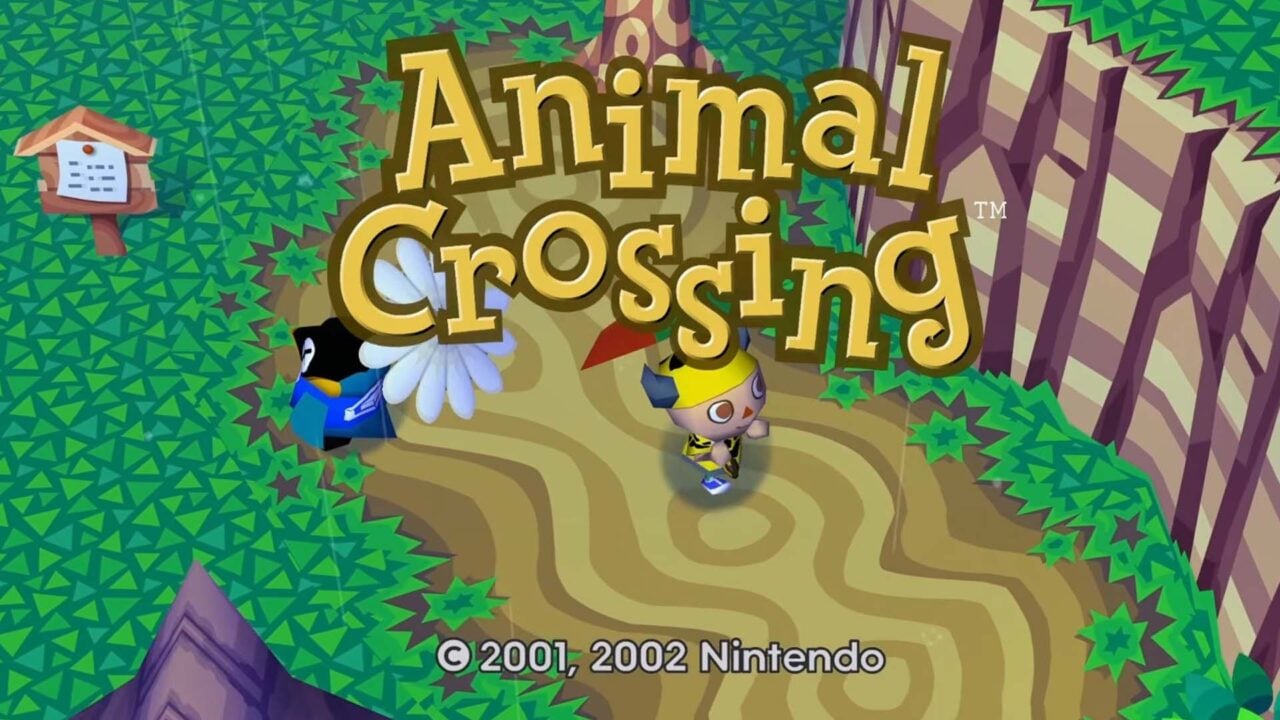
**Animal Crossing: A PC Adaptation of the 2002 GameCube Classic**
The cherished 2002 GameCube game *Animal Crossing* has successfully transitioned into the contemporary era, now available for play directly on personal computers. This advancement is thanks to the relentless work of modders and fan developers, who have crafted an unofficial adaptation that enables players to immerse themselves in the delightful realm of *Animal Crossing* in an unprecedented way.
To embark on this journey, players will need to overcome a few hurdles to access this unofficial adaptation. The port is primarily aimed at those who possess an original copy of the GameCube title or the original *Animal Crossing* ROM. This shift enables players to enjoy the game at an elevated resolution, with improved mod support, and the option to use either a keyboard or a controller. Additionally, players can apply an HD texture pack specifically tailored for the Dolphin emulator, further enriching the visual quality.
While this achievement is noteworthy, the port does come with some drawbacks. The developer, known by the pseudonym FlyingMeta, has recognized a handful of existing audio glitches, random memory issues, and texture anomalies. Nevertheless, these flaws are viewed as minor and do not significantly hinder the overall enjoyment. With ongoing updates expected, players can look forward to enhancements that will fine-tune the gameplay even more.
The unofficial adaptation does not contain any game files, adhering to copyright regulations. This necessitates that players supply their own ROM or original game copy. The development of the port is grounded in the *Animal Crossing* Decompilation fan project, which aimed to investigate and rebuild the original game’s code for compatibility with modern systems. This undertaking is intricate and labor-intensive, taking more than two years to achieve meaningful progress, and even then, it has yet to reach completion.
Once a game is successfully decompiled, it can be adapted for other platforms. This technique is not unfamiliar, as evidenced by other well-known Nintendo titles like *Super Mario 64*, *Mario Kart 64*, and *Ocarina of Time*. Because the adaptation does not share any game files or assets, it has managed to steer clear of legal issues from Nintendo, a major obstacle encountered by numerous modding initiatives.
Decompiling and recompiling classic games offers a promising alternative to traditional emulation. It not only provides a potentially enhanced experience but also broadens the opportunities for retro gaming, ensuring that these beloved titles are preserved for future generations.
In conclusion, the launch of a native PC adaptation for the original *Animal Crossing* is a remarkable milestone within the gaming community. With its improved features and the promise of ongoing updates, this port breathes new life into the classic game for both longtime enthusiasts and newcomers alike.